A roof problem rarely gets better by leaving it alone.
Sometimes it starts with one missing shingle. Other times it is a small stain on the ceiling after a hard rain, a loose piece of flashing, or a drip that only seems to show up when the wind blows from a certain direction.
Whatever tipped you off, Bearmark Roofing & Insulation can take a look, figure out where the problem is actually coming from, and tell you what it will take to fix it.
We handle residential roof repairs ranging from straightforward shingle replacements to leak investigations, storm damage, flashing problems and repairs around roof penetrations.
And if the roof can reasonably be repaired, we'll tell you that. You shouldn't have to replace an entire roof because somebody would rather sell you a bigger job.
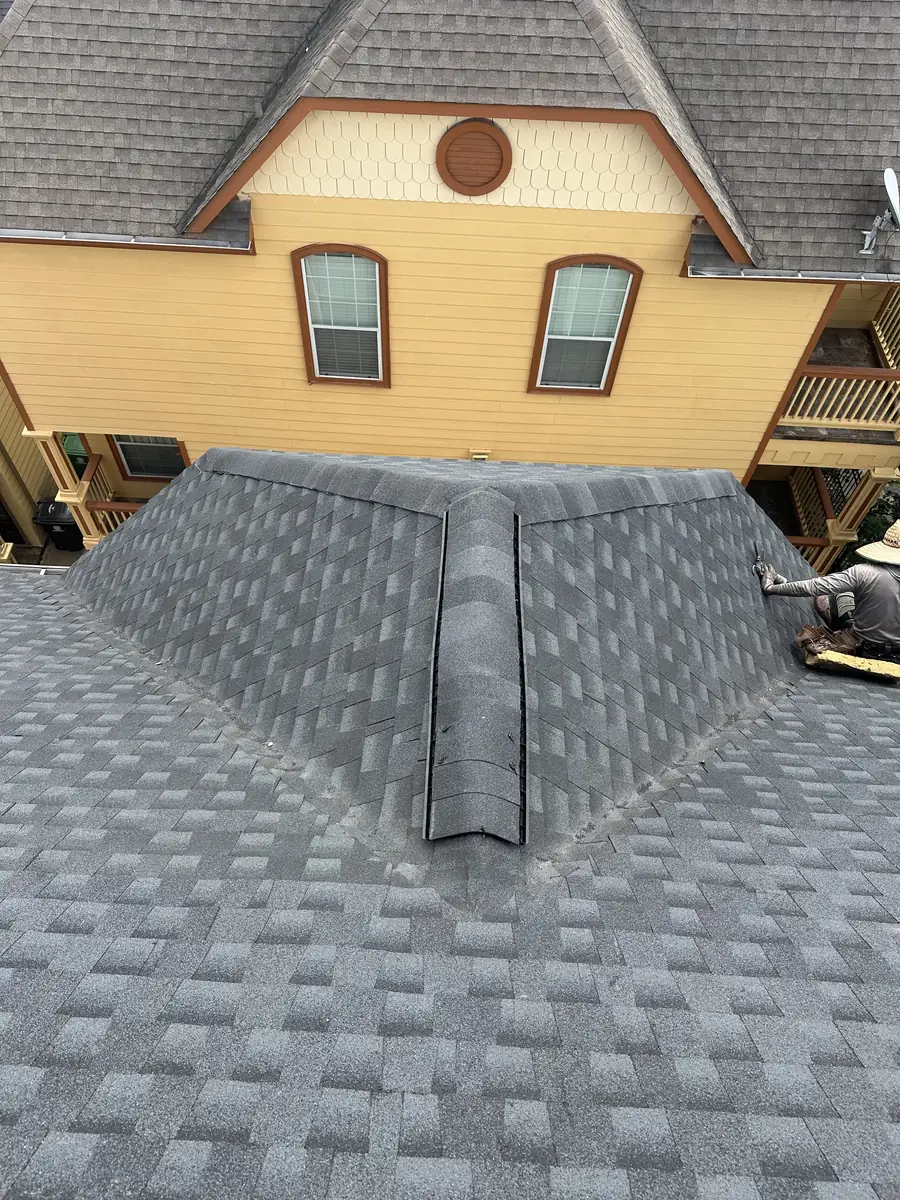
Water has a way of making roofing problems confusing.
The spot where water shows up inside your house may be several feet away from where it actually entered the roof. Water can travel along decking, rafters, nails, underlayment and other parts of the roof system before it finally reaches your ceiling.
That's why simply covering the obvious area with sealant isn't always a repair. Finding the source comes first.
During a roof inspection, we look at the surrounding roofing system instead of focusing only on the wet spot inside the house. That can include shingles, flashing, valleys, vents, pipe penetrations, ridge areas, exposed fasteners, roof transitions and the condition of the decking underneath.
Once we know what failed, we can recommend a repair that makes sense for the roof.
Roof damage doesn't always look dramatic from the ground. A few shingles can loosen during a storm without ever landing in the yard. Flashing can separate just enough to let water underneath it. A pipe boot can crack while the shingles around it still look perfectly fine. Those small failures are often where leaks begin.
A leaking roof should be investigated before the water has time to create a bigger problem.
We track down the likely entry point, inspect the roofing around it and determine what needs to be repaired. Depending on the situation, the repair may involve shingles, flashing, a roof penetration, a valley or damaged decking beneath the roofing material.
If you see a ceiling stain, water around a light fixture, moisture in the attic or an unexplained damp area after rain, don't assume the leak is directly above it. Let us find the source first.
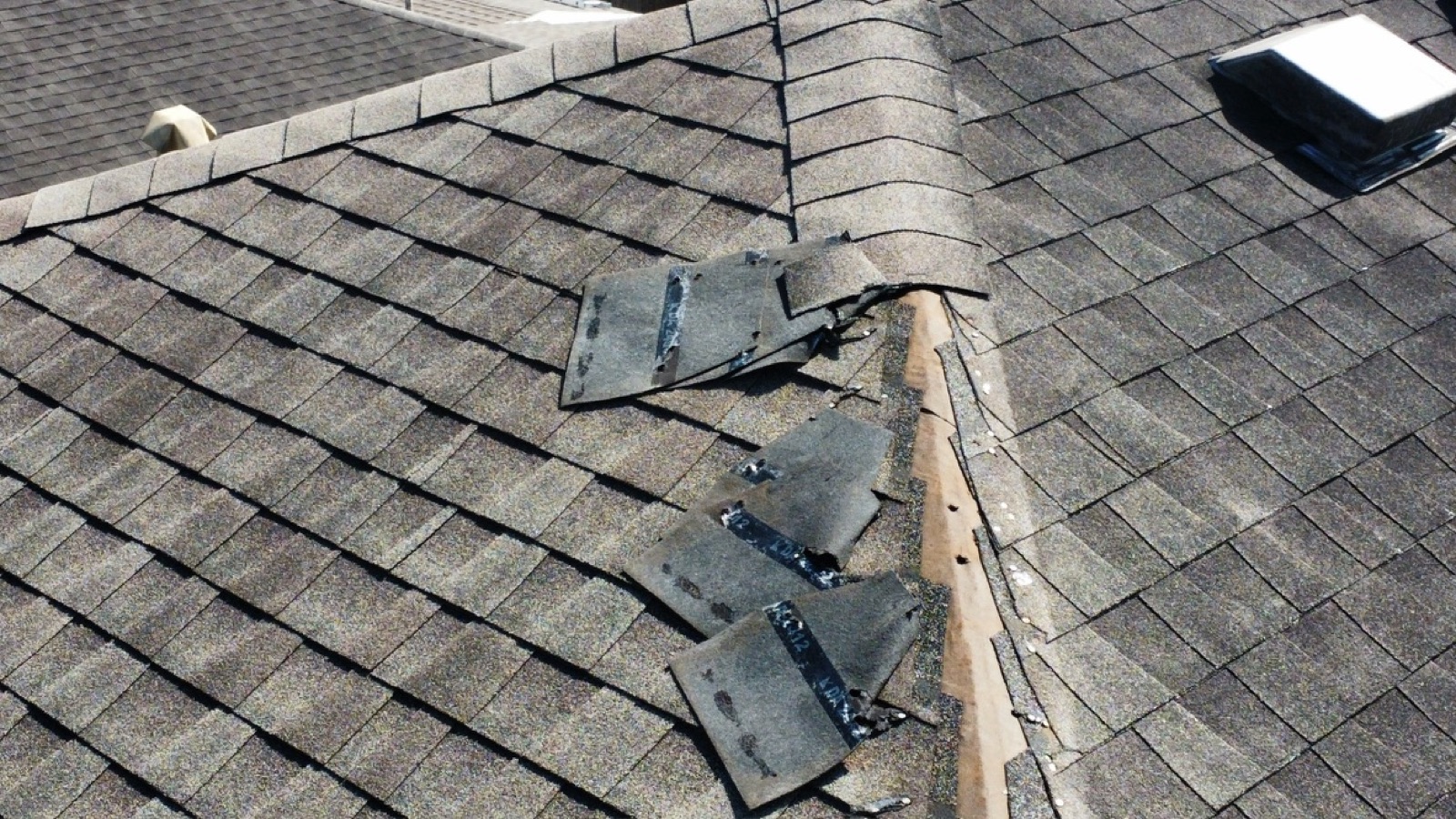
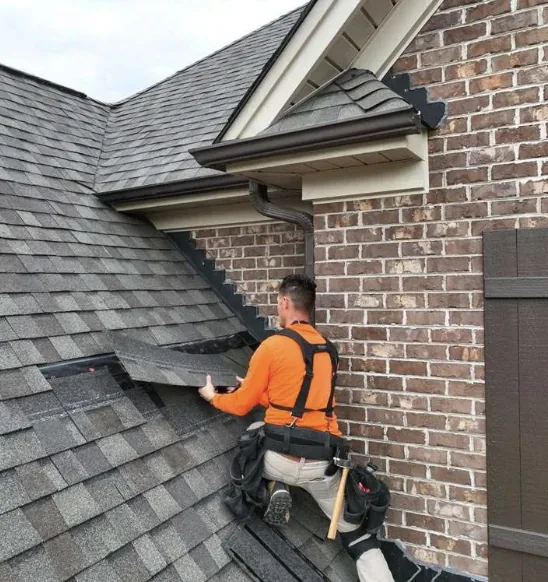
High winds can lift, crease or completely remove asphalt shingles.
Even when a shingle stays attached, the seal underneath it may have been compromised. Once that happens, wind-driven rain can get underneath the roofing material.
We can replace damaged shingles and inspect the surrounding area for additional movement or exposed fasteners.
Common signs include:
Catching this early can keep a relatively small repair from turning into water damage inside the home.
Some of the most leak-prone areas of a roof aren't the shingles themselves. They're the places where the roof meets something else.
Flashing is used around roof transitions and penetrations to direct water away from vulnerable areas. When flashing becomes loose, damaged, improperly sealed or deteriorated, water can work its way underneath the roof covering.
We inspect and repair flashing around areas such as:
A flashing problem can sometimes cause a persistent leak even when the rest of the roof is still in good condition.
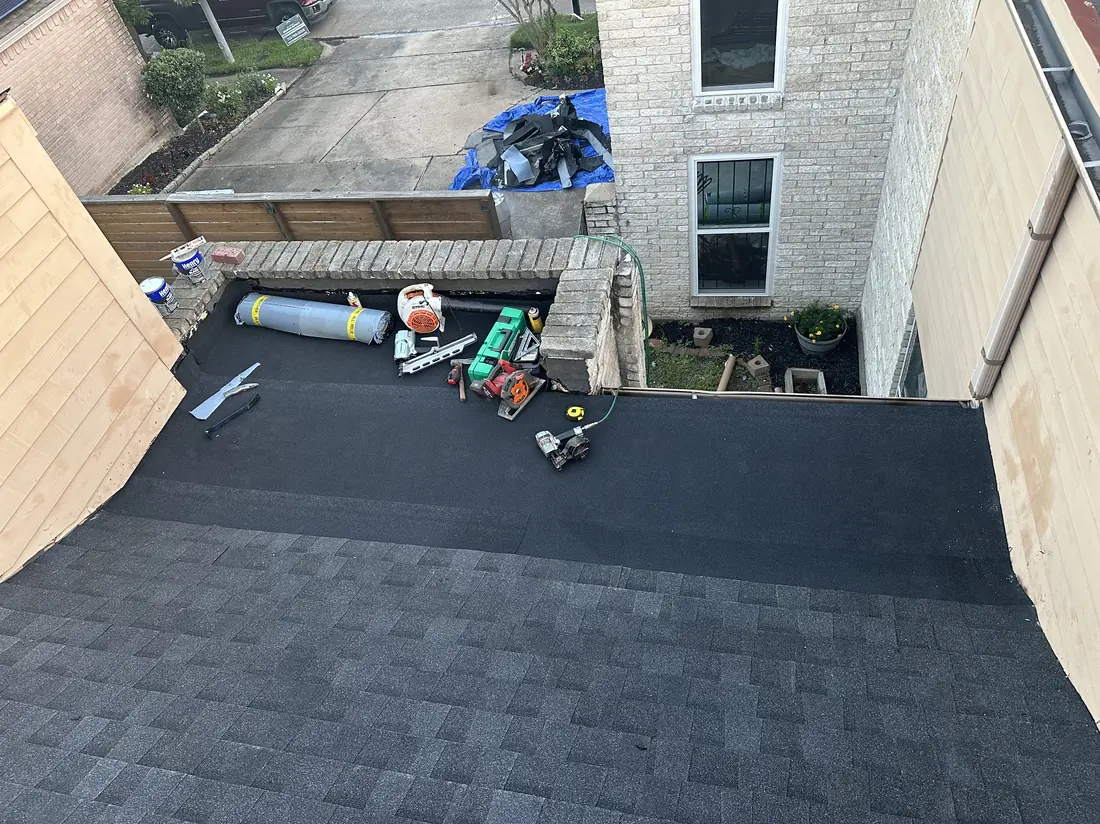
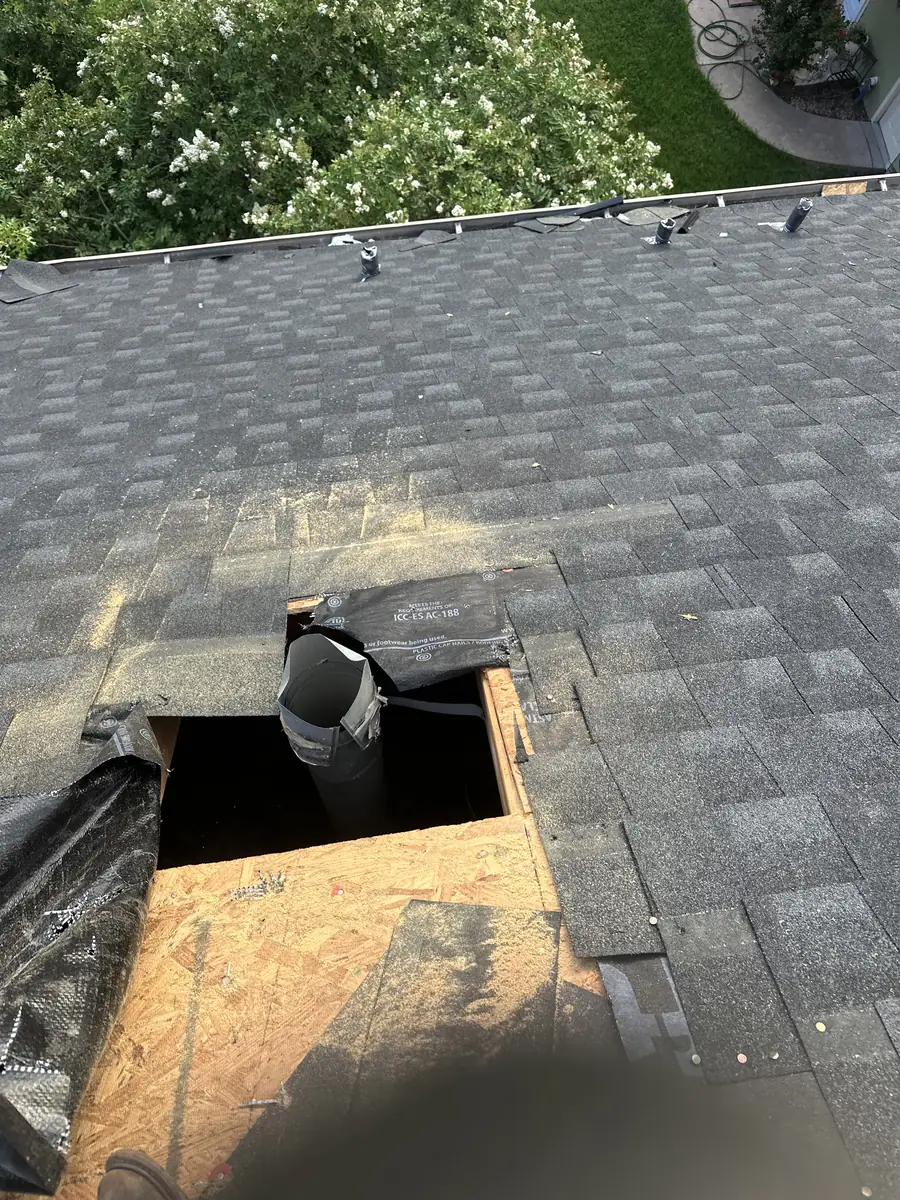
Plumbing vents and other roof penetrations have seals or flashing systems around them.
Those materials sit outside through years of heat, rain and changing temperatures. Eventually, rubber components can crack and seals can fail.
The resulting leak may be small at first. You might notice a water mark in a bathroom, closet or nearby ceiling long before you realize the plumbing vent on the roof is the culprit.
When inspecting a roof for leaks, these areas deserve a close look.
Not every hailstorm means you need a new roof. It does mean the roof is worth inspecting.
Hail can damage shingles, vents, flashing and other roof components. The severity depends on several factors, including hail size, wind, roof age, roofing material and the condition of the roof before the storm.
If a recent storm came through your area, we can inspect the roof and document what we find. If the damage is isolated and repairable, we'll discuss repair options. If the damage is widespread enough that a repair wouldn't make sense, we'll explain that too.
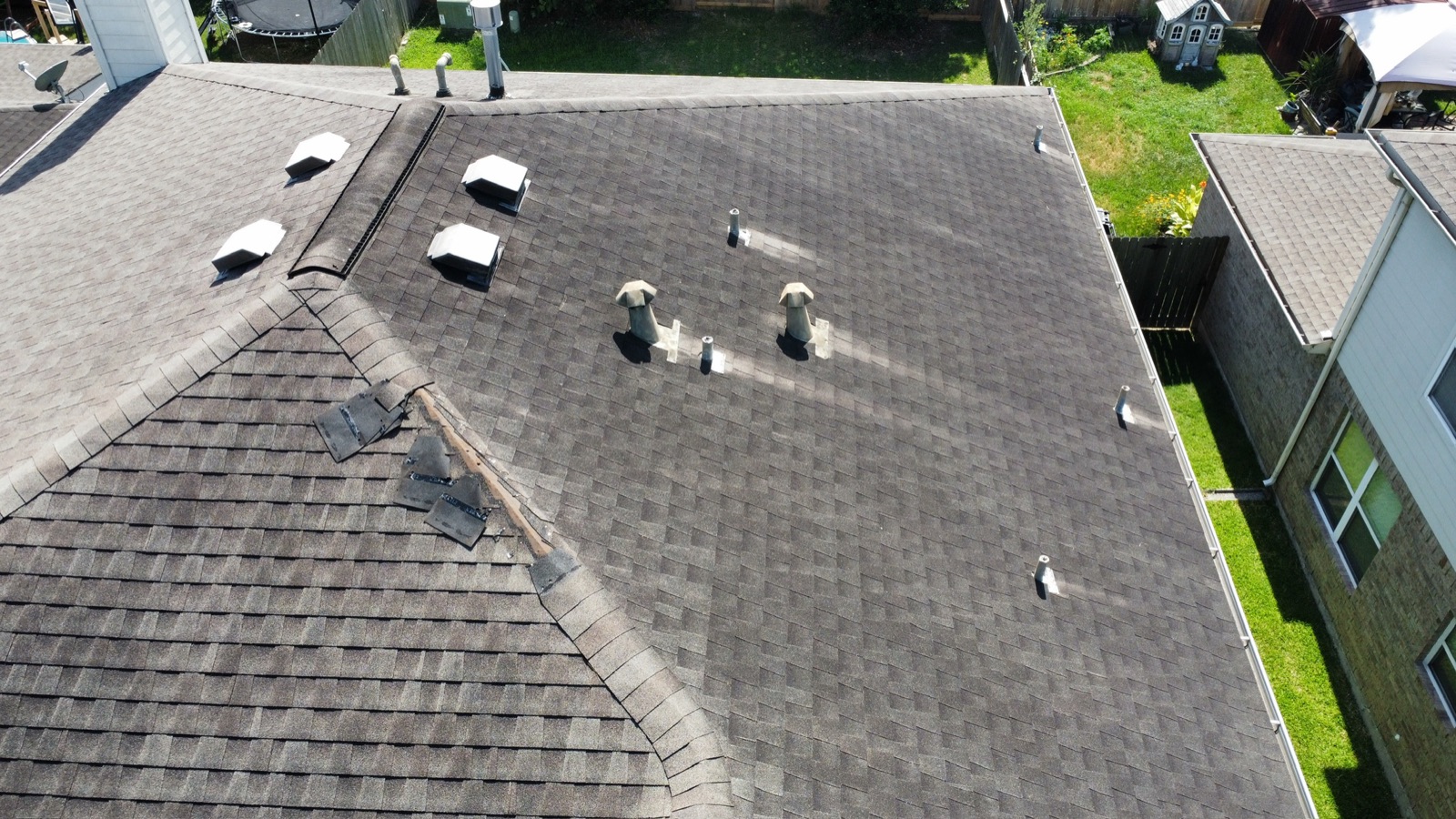
Wind damage isn't limited to shingles that completely blow off the house.
Strong winds can lift shingles, break their seals, loosen ridge caps and damage roofing around edges and transitions.
Sometimes the roof looks normal from the driveway. That doesn't mean nothing moved.
If you experienced strong winds or found roofing material around your property afterward, having the roof checked is a good idea.
Roof valleys handle a tremendous amount of water because runoff from two roof slopes is directed into the same area. That makes proper installation and drainage important.
Problems with valley shingles, underlayment, flashing or debris buildup can allow water to penetrate the roof system.
If a leak repeatedly appears after heavy rain, the valley may be one of the areas we inspect.
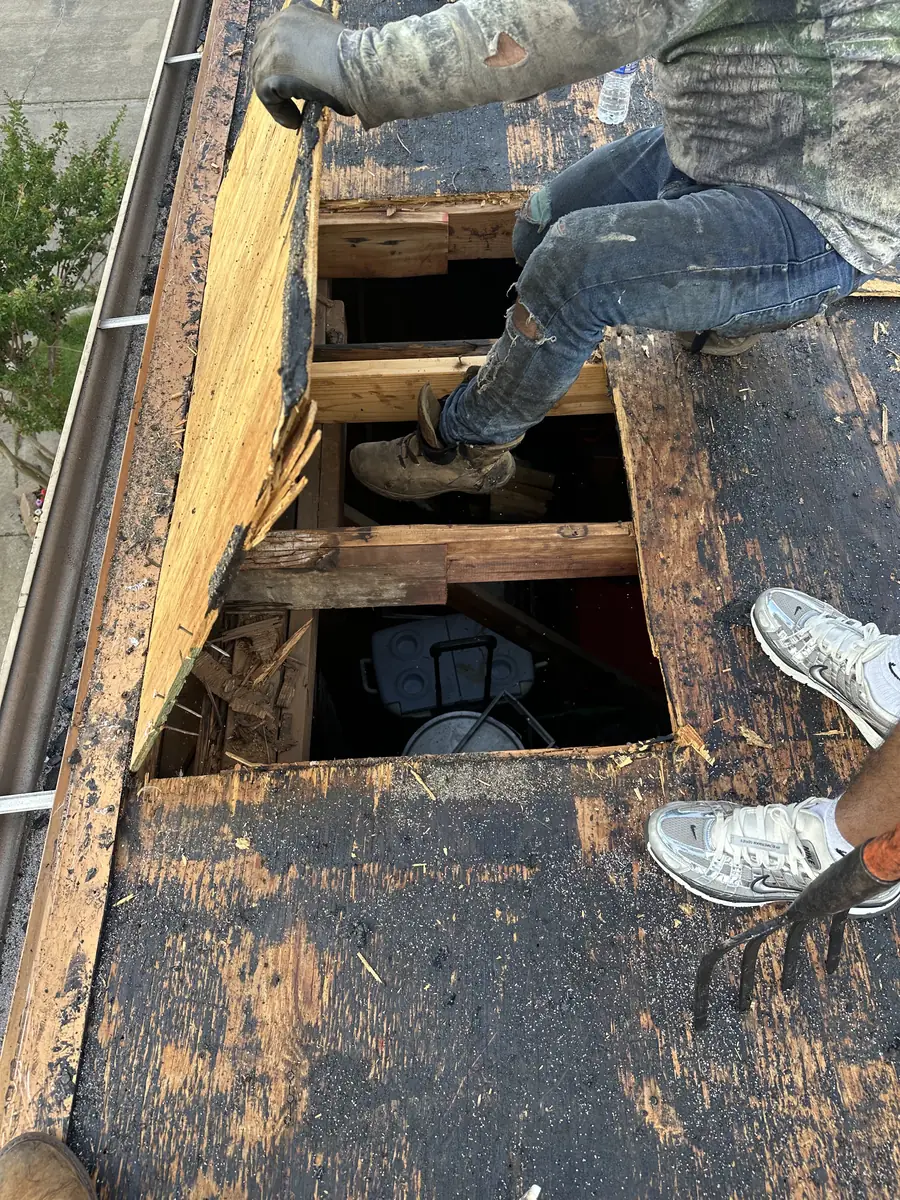
The decking sits underneath your roofing material and provides the structural surface shingles or other roofing components are installed over.
When water has been getting through the roof for a while, sections of decking can become soft or deteriorated.
In those cases, simply replacing the shingles above the damaged wood doesn't solve the whole problem.
We inspect the condition underneath the damaged roofing and replace affected decking when necessary as part of the repair.
The ridge is the highest point where two roof slopes meet.
Special ridge cap shingles are installed along this area. Because of their location and exposure, ridge caps can be affected by wind, aging and improper fastening.
Loose or missing ridge caps should be repaired before rain gets an easy path underneath the roofing system.
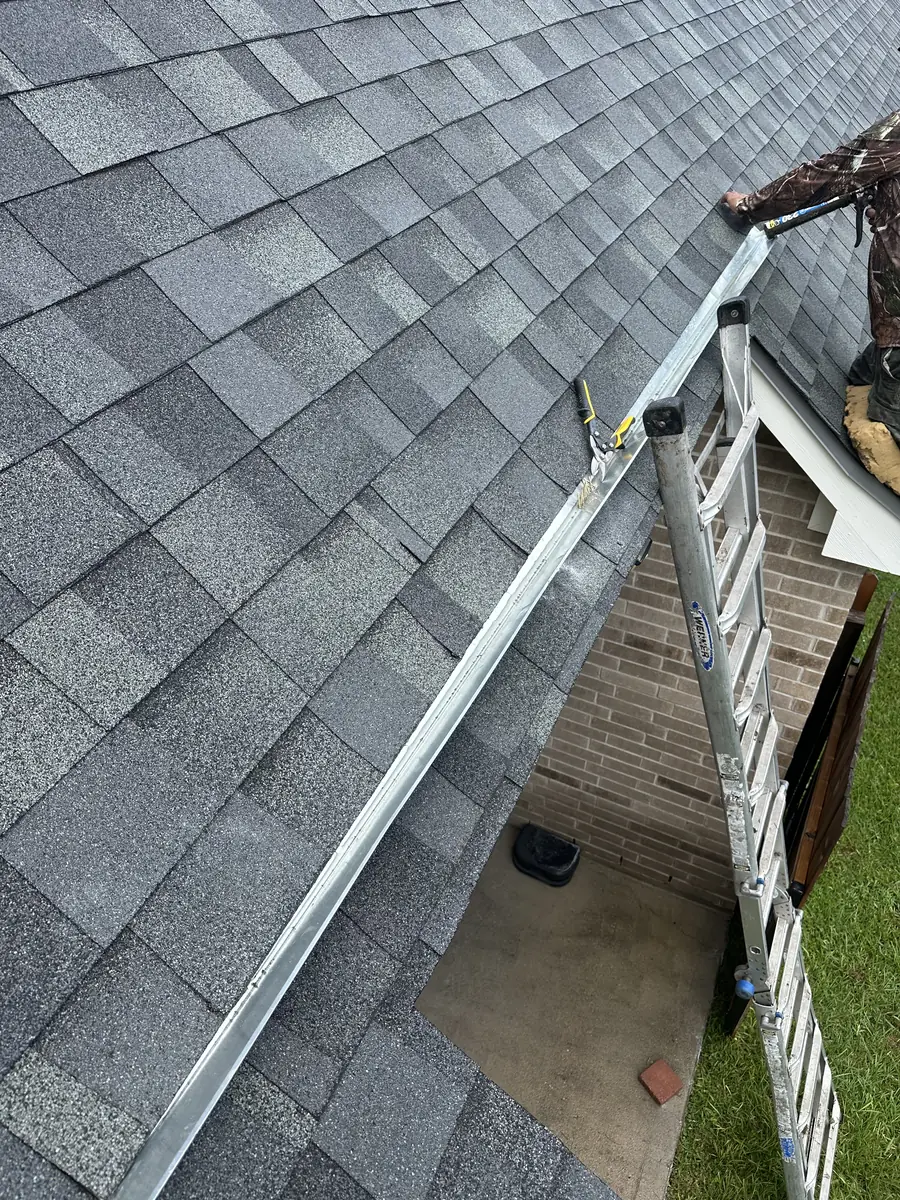
Metal roofs are durable, but they're not maintenance-free.
Leaks can develop around fasteners, seams, flashing, penetrations or areas where sealants have deteriorated.
A proper metal roof repair starts with identifying why the water is getting in rather than simply adding another layer of sealant.
We evaluate the affected area and determine the appropriate repair based on the roof system and the problem we find.
This is one of the first questions homeowners ask us.
The answer depends on the roof. A relatively young roof with one damaged area may be a good candidate for repair. An older roof with leaks showing up in several places may be a different story.
Some of the things we consider include:
There isn't a universal rule that says a leaking roof needs to be replaced. A loose piece of flashing and a failing 20-year-old roofing system are two very different problems. Our job is to show you which one you're dealing with.
If repair makes sense, we'll explain the repair. If you're getting to the point where you're spending money patching one problem after another, we'll also be straightforward about when a roof replacement may be the better investment.
We're not coming out just to stand in the driveway and quote a roof. The first step is figuring out what happened.
Depending on the home and the problem you're experiencing, the inspection may include the roof surface, roof penetrations, flashing, valleys, ridge areas, gutters, visible decking issues and accessible attic areas.
We also look for clues around the suspected problem. A ceiling stain tells us there's moisture. It doesn't automatically tell us where it entered.
Once we've inspected the roof, we'll walk you through what we found and what we'd recommend doing next. If there's something worth showing you, we'll show you. No mystery diagnosis.
You don't have to wait until water is dripping onto the floor.
Call for a roof inspection if you notice:
If something looks different than it did before a storm, that's usually enough reason to have it checked.
The visible part of a roof leak is often only part of the problem.
Water can affect insulation, drywall, decking and other building materials before enough moisture reaches the living space for you to notice it.
A stain that doesn't look serious may have been developing for longer than you think.
That doesn't mean you need to panic every time you see a spot on the ceiling. It does mean it's worth figuring out where the water came from.
The sooner we identify the failed roofing component, the better chance there is of keeping the repair contained.
After a hailstorm or windstorm, homeowners tend to hear two completely different messages.
One company says the roof is fine. Another says the entire thing needs to be replaced immediately.
We'd rather inspect it and show you what's actually there.
Some storms create isolated damage. Others don't. Some roofs were already having problems before the storm arrived. That's why an inspection matters.
If we find storm-related damage, we can photograph and document what is visible and explain your options.
If you're considering filing a homeowners insurance claim, remember that coverage depends on your policy and the cause of the damage. Your insurance carrier—not the roofing contractor—makes the final coverage determination.
Free inspection, no obligation — we'll tell you what we find.
Schedule an InspectionRoofing work is already inconvenient. Dealing with the company doing it shouldn't make things worse. At Bearmark Roofing & Insulation, we try to keep the process simple.
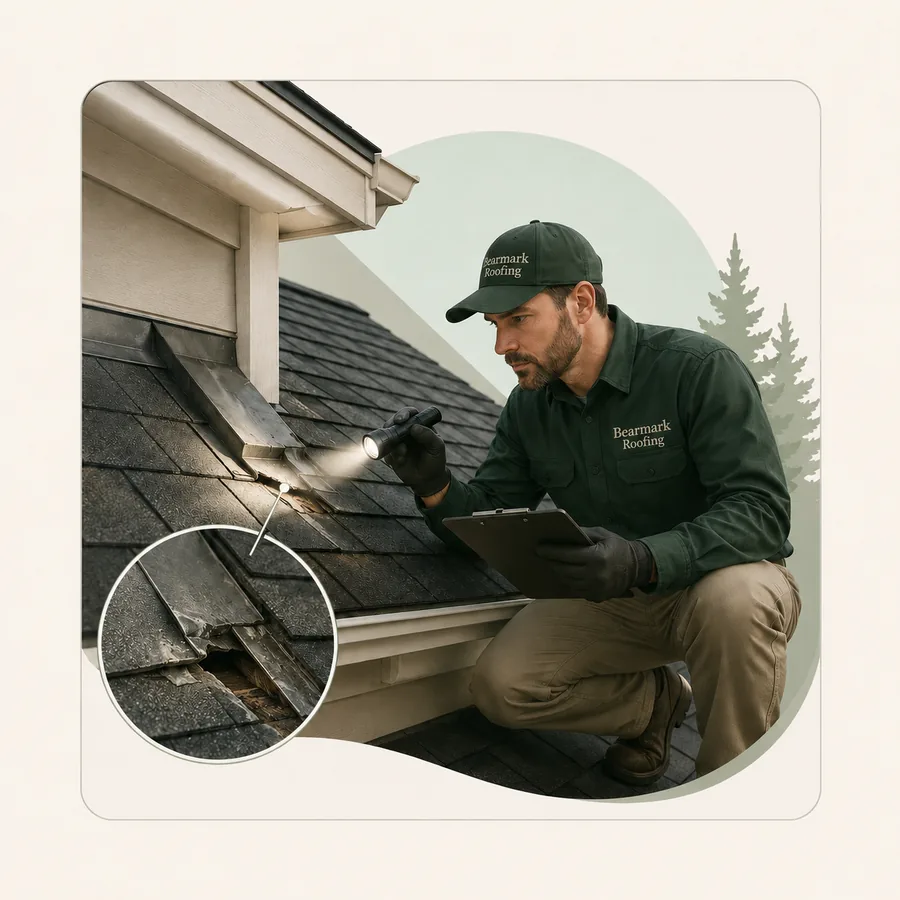
The goal isn't to cover the wet spot with roofing cement and hope it holds. We want to understand why the roof is leaking or what caused the damage before recommending the repair.

You shouldn't need roofing experience to understand what's happening on your own house. We'll show you what we see and explain the repair in normal language.

Sometimes a roof needs replacing. Sometimes it needs $500 worth of work. Those aren't the same situation. If the roof is repairable and repairing it makes financial sense, we'll tell you.
A roof is a system. Shingles matter, but so do flashing, ventilation, decking, penetrations and the attic underneath it.
Because Bearmark works in both roofing and attic performance, we're able to look beyond the surface when a moisture or ventilation problem appears to involve more than one part of the home. If attic insulation or attic ventilation turns out to be part of the picture, that's something we can look at too.
If you aren't sure what you're dealing with, start with an inspection. We'll take a look before you make a decision.
Schedule Your Free Roof InspectionAbsolutely. Many roof leaks can be repaired without replacing the entire roofing system. Flashing failures, damaged shingles, pipe boots and isolated storm damage are examples of problems that may only require localized repairs. The age and overall condition of the roof matter, though. If leaks are appearing in several areas or the roof is nearing the end of its useful life, replacement may make more financial sense than continuing to repair it.
We inspect the roofing around the suspected area and look for common entry points such as damaged shingles, flashing, roof penetrations, valleys and exposed fasteners. The source isn't always directly above the stain inside your home because water can travel before it becomes visible. That's one reason roof leak diagnosis can require more investigation than homeowners expect.
Shingle damage and leaks around roof penetrations or flashing are among the problems we regularly look for. The exact issue depends on the roof, its age, previous installation and recent weather.
In many situations, yes. If the surrounding roof is still in good condition and compatible shingles are available, individual damaged shingles or a smaller section of roofing can often be repaired. We still inspect the surrounding area to make sure the visible shingle isn't the only problem.
Avoid climbing onto the roof yourself. Take pictures from the ground if you can do so safely and schedule an inspection. Missing shingles leave portions of the roofing system more exposed to rain and should be addressed before the next storm if possible.
If your property experienced significant hail, an inspection is worthwhile even if you don't see obvious damage from the ground. Hail damage is not always easy for a homeowner to identify, and some roof components can be damaged without creating an immediate leak.
It depends on why the roof was damaged and what your particular policy covers. Insurance may cover certain sudden losses caused by events such as wind or hail, while maintenance problems, deterioration and normal wear are generally handled differently. Your insurance carrier determines coverage. We can inspect and document visible roof damage, but we don't determine whether an insurance claim will be approved.
As soon as reasonably possible. A small opening can continue allowing water into the roof system every time it rains. Getting the source identified early can help prevent damage from spreading into decking, insulation, drywall or other parts of the home.
Sometimes. The question is whether repairing it is worthwhile. Older shingles can become brittle, which may make surrounding areas more difficult to work with. Matching replacement shingles may also be harder to find. We'll look at the condition of the entire roof before recommending whether repair or replacement makes more sense.
If your home has active storm damage or a serious leak, contact Bearmark as soon as possible and we'll let you know what options are available. If water is entering near electrical fixtures or you believe part of the structure may be unsafe, stay clear of the affected area and address the immediate safety issue first.
Repairs can often be financed as well, so cost doesn't have to delay a fix that shouldn't wait.
If you've got a leak, missing shingles, storm damage or something on the roof just doesn't look right, you don't have to diagnose it yourself. That's our job.
Bearmark Roofing & Insulation will inspect the roof, show you what we find and give you a straightforward recommendation.
Maybe it needs a repair. Maybe it needs more. Either way, you'll know what you're dealing with before deciding what to do next.
Bearmark provides roof repair throughout the communities we serve. Choose your area below for local information, common roofing problems in your part of Texas and scheduling availability.